What’s the Difference and Which One Do You Need
Mattress care is not just about keeping the bed looking nice. Moisture, sweat, accidental spills, and kids’ nighttime accidents can easily seep into a mattress and become difficult to remove completely. That is why people often look for an “extra layer” and end up choosing between a mattress topper, protector, or cover. The problem is these products do very different jobs, and buying the wrong one can leave you with a mattress that still gets wet or starts smelling over time.
This guide explains the difference clearly, with a strong focus on waterproof protection and hygiene. You will also learn which one you actually need, when to layer them together, and what to look for so the protection works in real life, not just on the packaging.
Quick answer before we go deeper
- A mattress topper changes comfort.
- A mattress protector blocks liquids and stains.
- A mattress cover is usually for broader hygiene protection, and the zip type can fully wrap the mattress.
If waterproof protection is your main goal, the protector is usually the first priority.
What is a mattress topper?
A mattress topper is an extra comfort layer placed on top of the mattress. It is meant to change the feel of your bed, such as making it softer, adding cushioning at pressure points, or giving a more plush “hotel” sensation. People commonly consider a topper when their mattress feels too firm, when their hips or shoulders feel uncomfortable, or when they want a comfort upgrade without replacing the mattress.
What a topper is not designed to do is act as your main waterproof barrier. Some toppers have removable covers, but that does not automatically mean they can block liquids from passing through. If a spill reaches the topper’s inner material, you may still end up with moisture trapped in layers that take time to dry, especially in humid conditions.
Best for: comfort adjustment and pressure relief
Not best for: reliable waterproof protection on its own
What is a mattress protector?
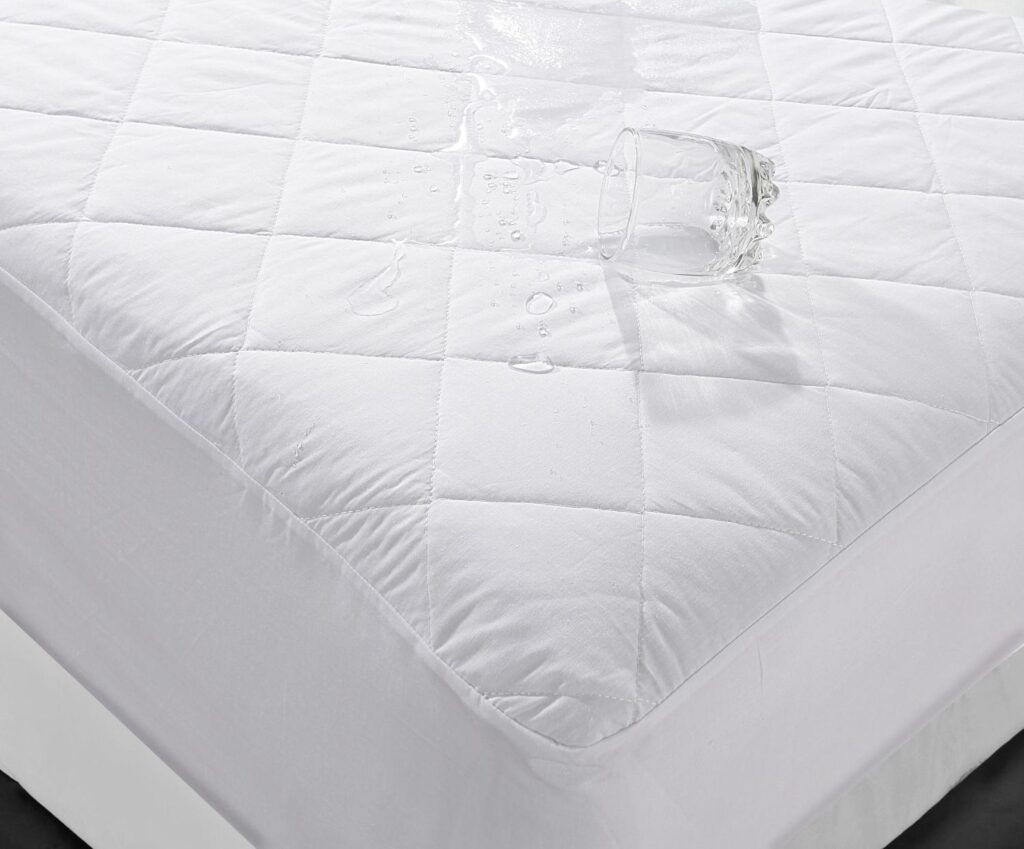
A mattress protector is a thin protective layer that sits between your bedsheet and the mattress. For waterproof-focused homes, this is the most important item because it is designed to stop liquid from soaking into the mattress. When spills or accidents are blocked at the surface, you can remove the protector, wash it, and keep the mattress itself clean and dry.
A good waterproof protector typically fits like a fitted sheet and covers the top and sides of the mattress. Many modern protectors use a waterproof membrane that feels softer and quieter than older plastic-like styles, so you still get a comfortable sleep surface while protecting the mattress.
Best for: waterproofing, stain prevention, daily hygiene
Ideal for: kids’ beds, elderly care, heavy sweaters, drinks near bed, humid rooms
What is a mattress cover?
“Mattress cover” can mean two things, and it helps to clarify which one you are buying.
Some mattress covers are simple fabric covers meant to keep dust and surface dirt off. They are helpful for basic cleanliness, but many are not waterproof and do not provide a sealed barrier against accidents.
The second type is a zippered mattress cover, also called an encasement. This fully wraps the mattress, including the underside, and is used for more complete hygiene protection. A zip encasement can be especially useful for family homes, homestays, or situations where you want full-mattress coverage as a base layer.
Best for: Keeping the mattress fully protected from spills, dust, bed bugs, and everyday hygiene concerns
Waterproof performance: depends on whether it is a waterproof zip encasement or a basic fabric cover
Which one do you need if waterproof protection is the priority?
If you are choosing only one item, choose a waterproof mattress protector. It gives you the strongest day-to-day protection with the least effort because it is easy to remove and wash. This is the best starting point for most Malaysian households.
If accidents happen often, consider using both a zip encasement and a waterproof protector. The encasement acts as full-mattress protection in the background, while the protector on top takes the “frontline” role for daily spills and quick wash cycles. This combination is especially useful for kids’ beds and elderly care setups where incidents are more likely.
If your mattress feels uncomfortable and you want extra cushioning, add a topper, but do not replace waterproof protection with the topper. Keep the waterproof protector in the setup so the mattress stays protected even when spills happen.
Real-life use cases in Malaysia
For kids and growing families, waterproofing is usually the number one priority. Drinks spill, accidents happen, and sometimes kids get unwell at night. A waterproof protector makes clean-up faster and helps prevent long-term odour issues that can develop when moisture gets trapped inside the mattress.
For elderly care, a waterproof protector is essential, not optional—especially for those with incontinence issues. For added security and better hygiene control, using a waterproof zip encasement underneath helps protect the entire mattress more completely.
For heavy sweaters or warm sleepers, waterproof protection can help stop moisture build-up inside the mattress layers. Over time, this can reduce that “damp” smell that some bedrooms develop in humid months, especially if ventilation is limited.
For guest rooms and homestays, waterproof protection protects your mattress investment and reduces stress when unexpected incidents happen. A protector is easier to wash between guests than trying to deep clean a mattress.
The best layering recommendation for waterproof homes
If you want a simple and effective setup, layer like this:
- Start with the mattress.
- Use a zip encasement if you want full wrap protection.
- Add a topper if comfort is your goal.
- Place the waterproof protector near the top.
- Finish with your bedsheet.
This order works because the waterproof layer is closest to where spills happen, so it can block liquids immediately and be removed for washing. Comfort layers stay cleaner underneath, and the mattress itself remains protected.
What to look for when buying a waterproof protector or cover
Waterproof only works if the product fits properly and can be washed easily. When shopping, look for clear mention of waterproof protection, not just “water resistant.” Make sure the protector fits your mattress height so it does not pop off at night, especially if your mattress is thicker.
Also consider breathability and feel. Some waterproof materials feel quiet and soft, while others can feel warmer or make noise when you move. Since Malaysia is warm and humid, many people prefer a waterproof protector that still feels breathable.
Finally, prioritise practicality. The best waterproof protector is the one you will actually wash regularly.