How Malaysians Should Choose Based on Body Weight & BMI
Choosing the right mattress firmness is one of the most important — and most misunderstood — decisions when buying a mattress. Many Malaysians assume that a firmer mattress is always better, especially when it comes to back support. In reality, the most suitable firmness depends on how body weight, BMI, and sleeping position interact with the mattress’s support structure.
This guide explains mattress firmness in a clear and practical way, shows who should choose soft, medium, or firm mattresses, and helps Malaysians use weight-based and BMI-guided principles to make more informed, long-term sleep decisions.
Understanding Mattress Firmness
Mattress firmness describes how a mattress feels when you lie on it, rather than how supportive it is internally. Most mattresses fall somewhere along a firmness spectrum that includes soft, medium, medium-firm, firm, and very firm options.
What many shoppers do not realise is that mattress firmness is not experienced the same way by everyone. A mattress that feels soft to one person may feel noticeably firmer to another because body weight and pressure distribution affect how deeply the mattress compresses.
This is why firmness ratings should always be considered together with body weight and mattress construction, rather than viewed in isolation.
Why Body Weight and BMI Matter When Choosing Firmness
Body weight plays a major role in how a mattress responds during sleep. It determines how deeply you sink into the comfort layers and how much of the support core is engaged. These factors directly affect spinal alignment, pressure relief, and overall comfort.
Lighter individuals compress only the upper layers of a mattress, while heavier individuals sink deeper and rely more heavily on the internal support structure. When firmness does not match body weight, a mattress may feel uncomfortable immediately or may seem acceptable at first but lose support over time.
Using BMI and body weight as a reference provides a more reliable starting point than choosing firmness based on habit or assumptions alone.
Mattress Firmness Recommendations Based on Body Weight
| Body Weight Category | Typical Firmness Range | Why This Firmness Works | What to Pay Attention To |
|---|---|---|---|
| Lighter Body Weight (Lower BMI Range) | Soft to Medium-Firm | Softer surfaces allow better contouring at the shoulders and hips, helping reduce pressure buildup. Lighter sleepers do not compress mattresses as deeply, so overly firm surfaces may feel hard and uncomfortable. | Gentle cushioning, responsive comfort layers, pressure relief without excessive sinking |
| Average Body Weight (Mid BMI Range) | Medium-Firm | Medium-firm mattresses provide a balanced combination of comfort and support. They distribute weight evenly and help maintain natural spinal alignment across most sleeping positions. | Balanced comfort and support, even weight distribution, stable spinal alignment |
| Heavier Body Weight (Higher BMI Range) | Firm to Very Firm | Heavier sleepers compress mattresses more deeply and need stronger resistance and structural support. Firmness must be supported by a durable build to prevent sagging over time. | Strong support core, sufficient mattress thickness, durability and long-term shape retention |
Firmness and Back Pain: Clearing a Common Misconception
A common belief is that firmer mattresses are always better for back pain. In practice, back comfort depends more on spinal alignment and pressure distribution than on firmness alone.
If a mattress is too soft, the spine may sink out of alignment. If it is too firm, pressure points may develop, leading to stiffness and discomfort. The most suitable firmness is one that supports the body evenly and keeps the spine in a neutral position based on individual body weight and sleeping posture.
Why Mattress Build Matters Alongside Firmness
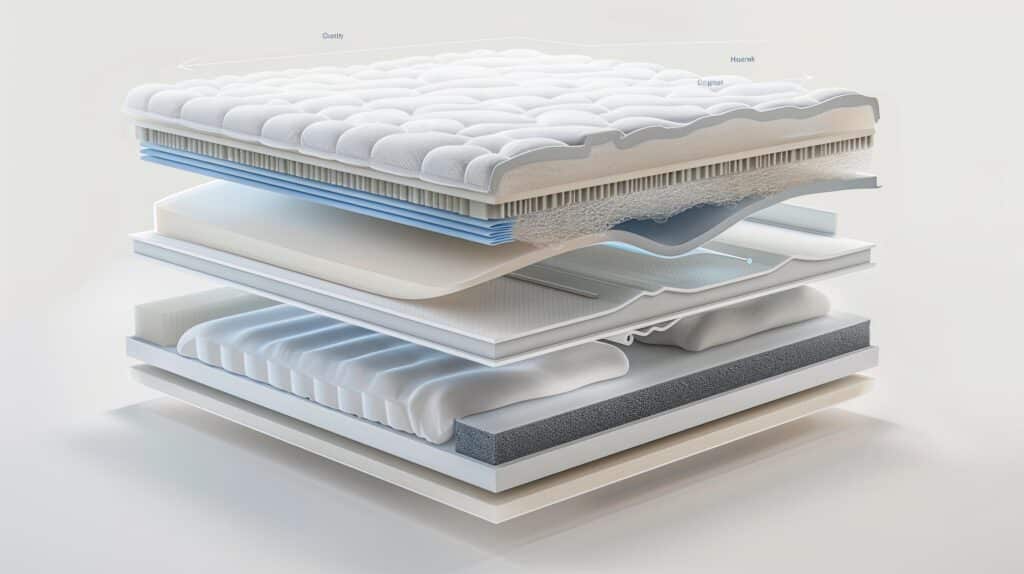
Firmness ratings do not fully reflect how a mattress performs over time. Mattress construction determines whether a chosen firmness level can remain supportive under different body weights.
Some mattresses may carry a high firmness rating but use basic support systems that are not suitable for heavier or prolonged use. This can result in early sagging even though the mattress initially feels firm.
Slumberland classifies mattress firmness alongside engineered support systems so that firmness levels are matched with structural designs suitable for different body weights and usage needs, rather than relying on surface feel alone.
How Malaysians Can Choose the Right Firmness More Confidently
When selecting or testing a mattress, it helps to consider whether your body weight aligns with the firmness level you are choosing and whether the mattress remains supportive after lying on it for several minutes.
Testing a mattress in your usual sleeping position and paying attention to how your lower back and hips feel provides more reliable feedback than judging firmness based on surface feel alone.
A More Personalised Way to Narrow Down Firmness
General guidelines such as body weight and BMI provide a useful starting point, but comfort preferences can still vary from person to person. This is especially true if you are choosing between two firmness levels or sharing a mattress with a partner who has different sleep needs.
To make the selection process easier, Malaysians can also use the Slumberland Mattress Finder. This interactive tool guides users through a short set of questions on body type, sleeping position, and comfort preference, then recommends mattress options that may be a better fit.
For an even more personalised recommendation, Slumberland also offers the REVEAL® by XSENSOR pressure mapping tool at our PJ store. Designed to help identify mattresses that better suit the body, the system analyses pressure distribution and provides results in under 5 minutes.
Using these tools can be especially helpful if you:
- are unsure whether a soft, medium, or firm mattress suits you best
- fall between two body weight or BMI ranges
- share a bed and need a compromise solution
- want a clearer shortlist before visiting a showroom
- prefer a more tailored recommendation based on your body’s needs
While these tools do not replace in-store testing, they can make the decision process more confident and reduce guesswork when choosing the right mattress firmness.
Final Takeaway
Mattress firmness is not a one-size-fits-all decision. For Malaysians, choosing firmness based on body weight and BMI provides a more reliable foundation than relying on common myths.
A well-matched firmness level should support body weight effectively, maintain natural spinal alignment, and remain comfortable without creating pressure points. Personal comfort and sleeping position should always guide the final choice, but weight-based alignment ensures a better starting point for long-term sleep quality.